




Introducing MOUNTADAPT’s Disaster Preparedness Checklist and Guidance
Most health systems don’t fail across the board during a crisis – they fail at specific links in the care chain. While a hospital might maintain its surge capacity, the primary care network around it may buckle, or coordination between services simply evaporates.
Disasters rarely cause a total collapse; instead, they expose uneven preparedness across the system.
To address this, MOUNTADAPT project partner CRIMEDIM (the Centre for Research and Training in Disaster Medicine, Humanitarian Aid and Global Health at the University of Eastern Piedmont) developed a Disaster Preparedness Checklist and Guidance that is a structured way for leaders to understand not just if the system is prepared, but exactly where it is most likely to break under pressure.
The checklist moves beyond fragmented planning to pull everything into a single, system-wide view that serves as a catalyst for a collective upgrade in preparedness, boosting community resilience to the impacts of climate change.
The visibility gap: Not knowing until it’s too late
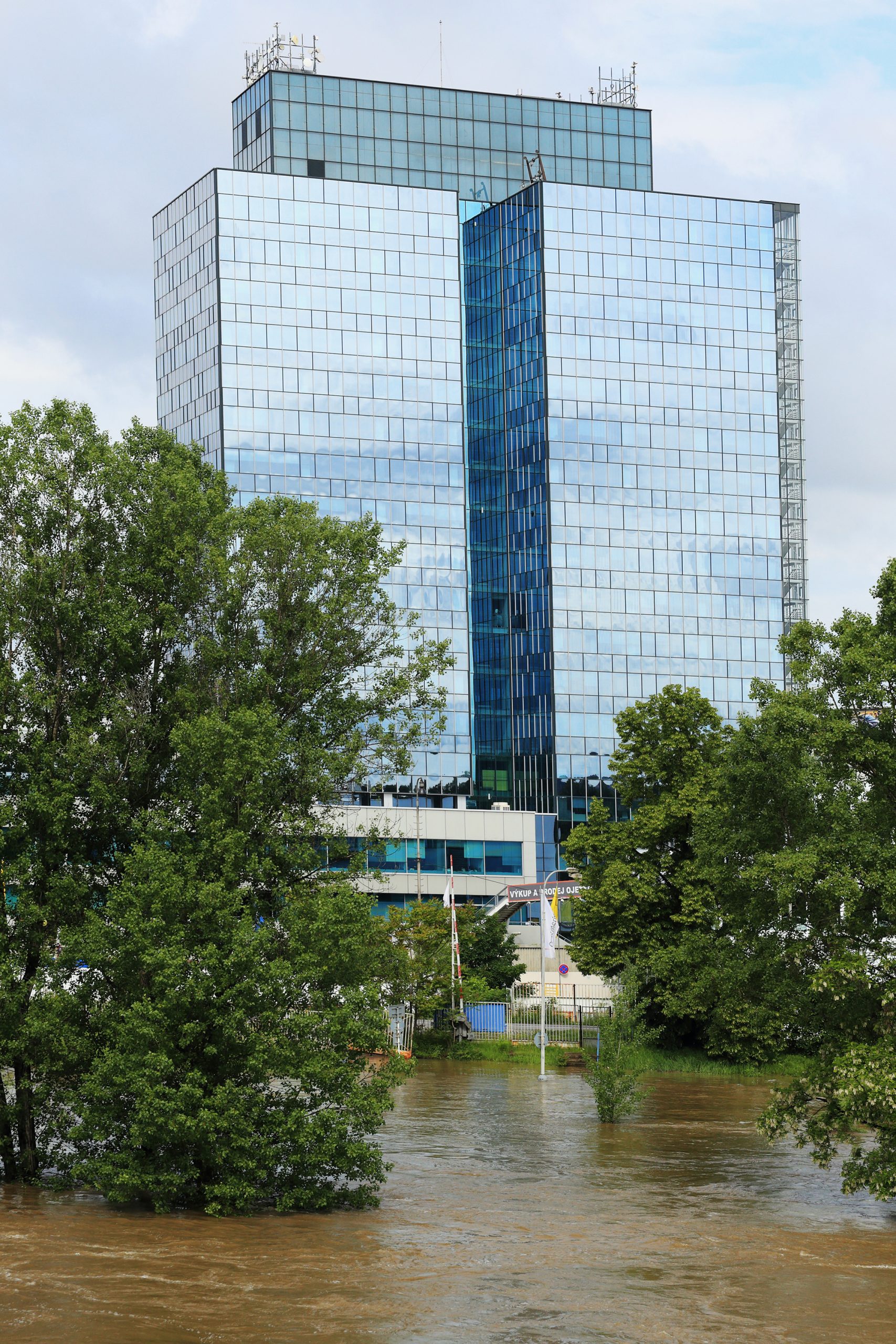
The MOUNTADAPT backdrop is one of increasing pressure on healthcare systems in the face of climate change, as Europe warms rapidly. Disasters – whether caused by floods, heatwaves, or infrastructure failures – don’t hit every part of a healthcare system the same way. They amplify existing weaknesses and expose misalignments between services. Yet, we often talk about preparedness in broad, comfortable terms: “The system is ready” or “Capacities are in place.”
In reality, preparedness is almost always uneven. One sector may be well-resourced, while another operates with zero surge capacity or fragile communication links. For decision-makers, this creates a dangerous blind spot: they lack the visibility to know which parts of the system will hold and which will snap when the pressure rises.
Why fragmented planning fails
The problem is that most preparedness assessments happen in silos. Hospitals look at hospitals; primary care evaluates its own continuity; public health monitors its own data. This produces fragmented information.
Because these assessments are rarely linked across the full care chain, vulnerabilities stay hidden in the “no man’s land” between organizational boundaries. A system might look perfect on paper, but if the hand-offs between sectors aren’t tested, the plan is likely to fail in practice.
A structured way to identify failure points
The Disaster Preparedness Checklist and Guidance coordinates assessments across five key sectors:
- Pre-hospital emergency medical services
- Hospital care
- Primary and elderly care
- Pharmacies
- Public health services
These are cross-referenced against seven operational domains, such as staff training, infrastructure, and community integration. This matrix maps the actual dependencies that dictate whether a health system survives an emergency.
Why the process matters as much as the score
The results gained from the checklist can be interpreted and visualised in several ways. One of the most effective is a scored preparedness profile – essentially a “heat map” of a local system’s strengths and gaps. This gives leaders a clear, interpretation-ready profile that supports real dialogue across different levels of governance.
However, the real value isn’t just the final score; it’s the conversation that happens along the way. Bringing representatives from different sectors into one room surfaces conflicting assumptions. It’s often the first time these leaders have a structured opportunity to see the system as a single, living organism rather than a collection of separate departments.
Turning results into action
This profile does more than just sit on a shelf; it supports the hard work of system management by:
- Establishing a baseline for improvement.
- Informing resource allocation based on actual weak links.
- Improving accountability across the system.
- Identifying priority areas that need immediate attention.
Crucially, preparedness isn’t a “one and done” task. The checklist is designed for repeated use, allowing health authorities to track their progress and monitor how readiness evolves over time. Stakeholders from specific areas can integrate items specific to their system or omit superfluous items; for instance, if they are implementing the checklist in non-mountain regions.
Disasters find the fragility in the spaces between our roles and responsibilities. By mapping the full care chain, the Checklist makes those vulnerabilities visible – and more importantly, actionable.
This tool serves as a cornerstone of the MOUNTDAPT consortium’s broader mission to provide health systems with the evidence-based strategies and collaborative frameworks necessary to adapt to a changing climate, thereby strengthening their resilience and protecting people’s health and well-being from its impacts.


